Period Pain: Finding Your New Normal
By Dr. Darcy A. Ries
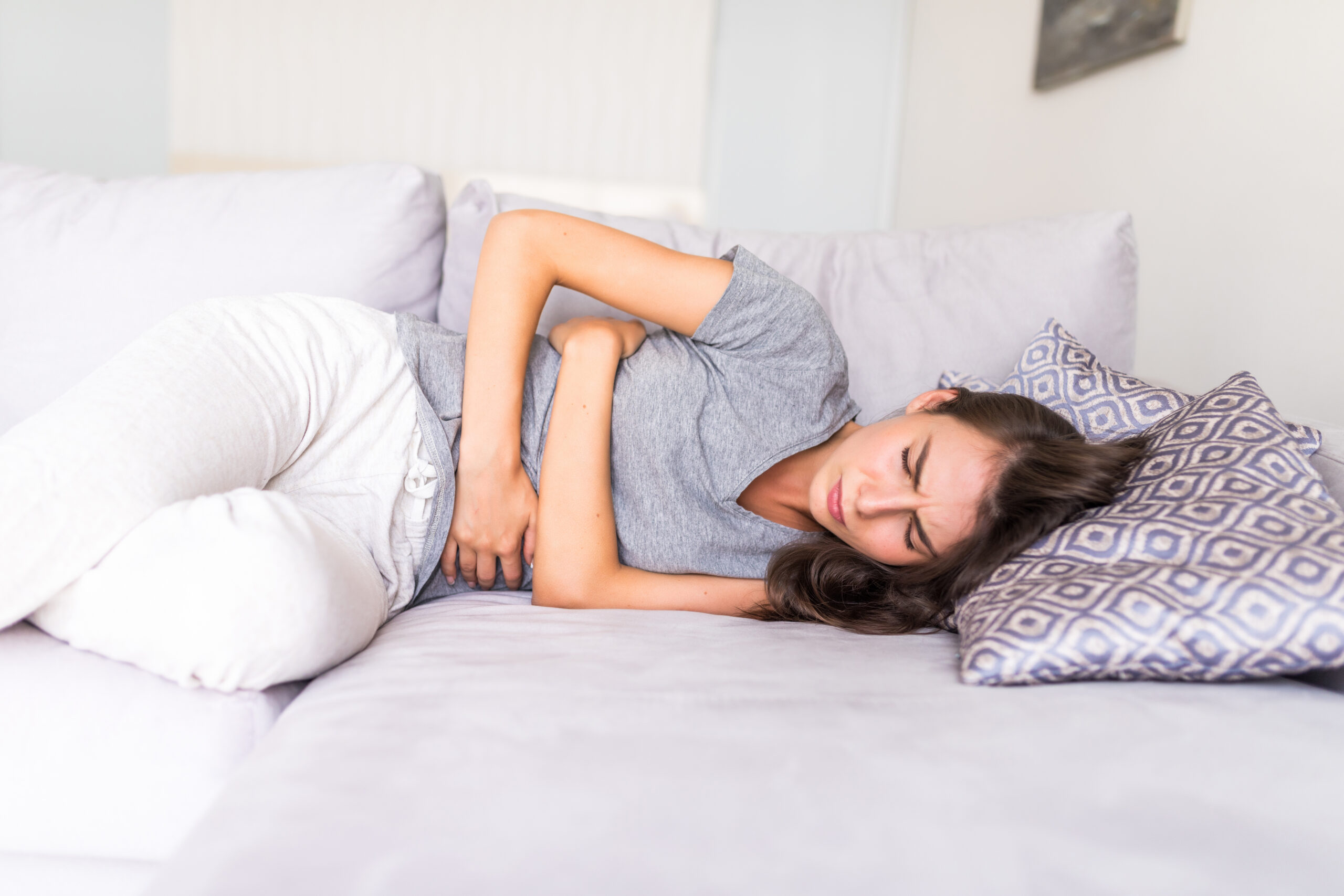
Bloating. Cramping. Aching pains. Headaches, leg pains, backache, and more. “Oh, it’s just part of being a woman!” I remember so many people saying this when I was growing up. It wasn’t until medical school that I realized how untrue this remark was, and what a disservice it does to all those with a uterus.
We’ve normalized period pain.
It’s come to be something women* expect. Something we groan about and bond over. Something that all too often is tolerated as a normal and unavoidable part of the reproductive years. But what if it’s not normal?
Up to 80% of reproductive-age women report being significantly affected by monthly period pain. But just because something is common, does not make it normal.
Period pain is a common symptom, but also a medical diagnosis.
Technically this is referred to as dysmenorrhea. The fact that it is a medical diagnosis should tell us it’s not part of normal, optimal functioning. Beyond this point, menstrual pain can be secondary to a multitude of underlying conditions – fibroids, endometriosis, adenomyosis, ovarian cysts, and other reproductive disorders. It deserves to be taken seriously.
Is it even worth bringing up?
Menstrual pain is a monthly occurrence for millions of women who “grin and bear it”, often for years on end, missing school days, work days, and suffering reduced capacity in their daily activities. Many are too embarrassed to mention it to their doctor, or more often, have been culturally trained that monthly pain is normal, so they don’t even think to bring it up. It often has to be quite severe or debilitating before women discuss menstrual symptoms with a general health provider.
Some women reporting these symptoms are told to wait it out for a few months while trying heat applications or various NSAIDS (non-steroidal anti-inflammatory drugs) in search of relief. Most have already tried that by this point. The only other option typically offered is the birth control pill.
Problem solved, right?
While oral birth control can certainly be effective in symptom management for a lot of women, almost everyone getting this script does not understand what it’s actually doing in the body to have this effect…and whether they indeed want those additional effects.
As for NSAID therapy, for some it helps enough to “take the edge off” but does not completely cure the problem.
First of all, what’s actually happening in menstrual pain?
For the sake of simplicity, we’ll look at what’s called “primary” dysmenorrhea – as in, not attributed to any secondary conditions within the body. This is also the more common form of dysmenorrhea.
*Clinical digression: I suspect the reason for this might be at least somewhat affected by a) women’s chronic underestimation of symptoms, and b) the under-evaluation and diagnostic delays of secondary conditions by the medical community. The delayed time to diagnosis for endometriosis, for example, can be up to 10 years here in the US.(1) Chronically undiagnosed endometriosis might be easily miscategorized as primary dysmenorrhea for years, until appropriate evaluation has proven otherwise.
Menstrual pain starts with chemical signals
The process of menstrual pain involves the body using a substance called arachidonic acid as a building block to make prostaglandins and leukotrienes, two chemicals that make the uterus contract. The more prostaglandins and leukotrienes a woman produces, the stronger the cramps. This can be affected by poor dietary habits, sedentary lifestyle, high stress levels, insufficient sleep, smoking, a high fat body composition, nutrient deficiencies, underlying medical conditions such as asthma or leaky gut, and more.
Once the uterus is cramping, that contraction squeezes down on blood vessels in the pelvic area, constricting blood flow (vasoconstriction). Less blood flow to the uterus means less oxygen. When muscles don’t get enough oxygen, they hurt. This is true of skeletal muscle like in your calves, and also of involuntary smooth muscle, like the uterus.
These same chemicals also ramp up inflammation in the body. The combined effect is a vicious cycle of more intense menstrual cramps, more vasoconstriction, and more pain. This is the reason NSAID therapy can reduce menstrual cramps – by temporarily reducing prostaglandin synthesis and inflammation levels.
OK, back to the pill
Oral contraceptives will suppress the growth of the endometrial lining (the part that sheds monthly with menstruation). A thinner endometrium produces fewer prostaglandins, which can therefore diminish menstrual pain.
While this is a very real benefit, hormonal contraceptives have wide reaching effects beyond this, many of which women are not counseled about by their prescribers. Nutrient deficiencies, potential increased risk for blood clots and certain cancers, and the effects of suppressing ovulation long term should all be discussed between patient and provider as part of a comprehensive informed consent.
If a woman does not opt for the pill or long term use of NSAIDs, what other options are there for long term period pain management?
Supporting menstrual health:
Nutrition to lower inflammatory chemicals in the body is a powerful but often overlooked approach to menstrual pain.
- Balancing omega-3 and omega-6 fatty acids in the diet can directly affect how much prostaglandin and leukotrienes a body produces. This means adding high omega-3 foods such as cold water fish, flaxseeds, chia seeds, and walnuts while also reducing vegetable oils, fried foods, and processed meals and snacks.
- Reducing added sugar intake and overall processed foods will likewise lower the production of inflammatory chemicals. The American Heart Association recommends no more than 6 tsp (25g) of added sugar per day for women.
- Strategic intake of high antioxidant foods can help combat and calm inflammation as well. This includes leafy greens, colorful vegetables, and berries.
- Foods high in magnesium may be helpful for helping the smooth muscle of the uterus relax, reducing cramping. Such foods include dark leafy greens, nuts, seeds, and legumes.
Herbal medicine and targeted supplementation can have similar effects when prescribed and guided by a skilled practitioner. Individualized recommendations are often effective in lowering inflammation levels, filling nutritional gaps, and supporting organ function. That said, what we do is more important than what we take. Daily habits stack up to the majority of what impacts our health.
Regular exercise can help improve blood flow to the uterus, so that muscle can be more efficient and relaxing and contracting smoothly. Additionally exercise releases endorphins – your natural pain-relieving chemicals, helps support a healthy body composition, and reduces stress levels. Stress plays its own role in fueling inflammation, disrupting hormone balance, and increasing pain perception.
Abdominal therapy is another powerful tool in promoting blood flow to the pelvis, easing strain on uterine ligaments, and properly aligning the pelvic and abdominal organs for optimal function. This is a traditional therapy practiced in several cultures across the world. The abdominal therapy techniques I utilize in my clinic are rooted in indigenous Central American traditions from the Mayan people.
While a majority of women in Western cultures report some degree of painful periods, only 25% of rural Maya women do.(2) This does not surprise me, as abdominal therapy has been used for centuries in this culture to address reproductive and digestive health.
Finding your new normal
Pain is not normal. It’s a signal from the body that something is off. Listening to that signal and supporting the body where it needs it is the first step toward feeling better.
Suffering in silence does not serve anyone well. If you or a woman you know endures severe or debilitating pain around their period, please know there is hope and there are options beyond just sticking it out. It is worth the effort of exploring a variety of therapeutic approaches to find a new normal – aiming not only for reduced pain, but for improved function and ultimately, overall wellbeing. Naturopathic medicine is just one tool to get you there.
Dr. Ries is a licensed naturopathic doctor offering natural health solutions for women. She is passionate about addressing period pain, irregular periods, heavy menstruation, infertility, chronic pelvic pain, and supporting general women’s health. She is trained in both standard and pregnancy applications of the Arvigo Techniques of Maya Abdominal Therapy®, and utilizes this alongside naturopathic medicine to help a variety of women’s health concerns. Learn more with a complimentary 15 min. Discovery Call. Her clinic is located in Richmond, VA.
References:
- De Corte, P., Klinghardt, M., von Stockum, S., & Heinemann, K. (2025). Time to Diagnose Endometriosis: Current Status, Challenges and Regional Characteristics-A Systematic Literature Review. BJOG : an international journal of obstetrics and gynaecology, 132(2), 118–130. https://doi.org/10.1111/1471-0528.17973
- Pawłowski, B. (2004). Prevalence of menstrual pain in relation to the reproductive life history of women from the Mayan rural community. Annals of human biology, 31(1), 1-8. doi: 10.1080/03014460310001602072. PMID: 14742161.
*I use the terms “women”, “woman”, and “female” in this article, though everything written here can be construed in the context of “those who menstruate” as well.