Training For Your Next Decade
By Dr. Darcy A. Ries
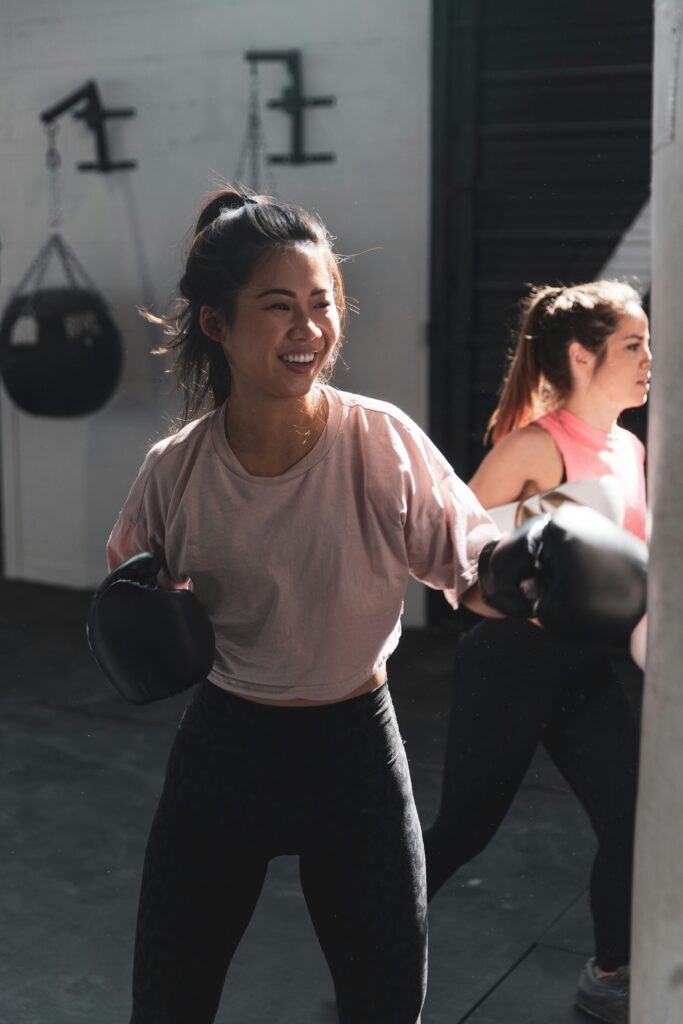
When I found out I was pregnant, I began training. Training for birth, that is. While carrying a human has its own impacts on a body, I knew from my doula days that birth was the marathon I had yet to take on. Having raced half marathons and 10-milers, I considered myself in pretty good shape, and yet I’d never attempted a days-long event that required the mental and physical stamina birth would.
Preparing the body is obvious
I joined prenatal yoga, further tweaked my nutrition, and slept like it was a second job. I walked everywhere, went for hikes on the Pacific Crest Trail, and continued lifting weights at my local neighborhood gym — where the personal trainer working with his geriatric clients voiced his express concern that I might give birth in the gym one of these days, and shouldn’t I take it easy in the coming weeks, for everyone’s sake?
Mindset and more
Mentally, I prepared myself with books, classes, hypnotherapy and meditation; plan A, B, and C of birth plans; and hiring my own doula. I set up the meal train so neighbors and friends could supply us with home cooked meals in the first few weeks of new, overwhelmed parenthood. I bought baby clothes, furniture and other supplies. I nested.
I couldn’t know exactly how this would all go down, but I was as ready for it as I possibly could be.
What to expect when you’re expecting (something new)
This is not an uncommon approach when expecting a child. Generally, we recognize that our lives are going to change in a significant way, so we try to get ahead of the cart and do our best to steer it where we want it to go. We want the best possible outcome, so we gather our resources, educate ourselves, support our health, and rally our community.
What if we did this for each new decade? What if we proactively looked ahead to the challenges we might face and made it our focus to train for the best possible outcome? Let’s be honest, health in our 30’s is different from our 40’s, which is again different from our 50’s, and so on. Bodies change, and while we can’t stop the cart from rolling, we do have the ability to intervene, steer it more gently, and avoid it veering off a cliff.
“Oh, I’m just getting old.”
I am a firm believer that health does not have to progressively decline with age. Simply blaming poor health on the aging process takes away our own agency, our ability to intervene in our health and impact it for the better.
The best time to start is now.
20’s / 30’s: If you’re a woman in your 30’s (or even 20’s), it’s my personal opinion that you should be training for menopause. Don’t wait until your body starts to shift before wondering how you could be supporting it. Knowing your hormones, optimizing your periods, minding your metabolic health, and getting your basic lifestyle habits dialed in will make the road less bumpy for when you round that corner.
40’s: Getting ahead of The Change
If you’re a woman in your 40’s, train for your post-menopausal era. Hormone health, bone health, heart health, mental/cognitive health, and weight management and metabolism are all on the radar. What you do now to support these areas will impact their status in the 10-20 years down the road. For example, decades of metabolic dysfunction, if left unaddressed, can “suddenly” manifest as frank diabetes in the 5th or 6th decades. Likewise, if you’re managing peri-menopausal symptoms in your 40’s, this will generally be easier if you’ve done that preparatory work in your 20’s and 30’s.
50’s: Protecting your heart, bones, and more
In your 50’s, start looking at how you can optimize health in your 60’s. This means reducing your risk for heart disease, diabetes, cancer, and osteoporosis. After menopause, the risk of heart disease greatly increases from the loss of estrogen’s cardioprotective effects. According to the American Cancer Society, the average age for breast cancer diagnosis is 62 years old. Lifestyle interventions in the decades before are key for minimizing cancer-promoting processes in the body. Bone density rapidly declines post-menopause, so nutrition and weight-bearing exercise are crucial for maintaining bone mass into your 60’s and beyond.
60’s: Bringing vitality to your later decades
If you’ve been training for your next decade, by the time you hit your 60’s you should be enjoying good quality of life – including the energy, mobility, and physical capacity to travel, play with grandkids, maintain hobbies and social engagements, and reap either the joys of retirement or the ability to comfortably keep working. Here you start thinking ahead to your 70’s: minimizing arthritis, heart disease and osteoporosis risk, and maintaining cognitive health.
70’s: Planning for functional longevity
By one’s 70’s, and beyond, we hope to have an active, robust health status that affords us life’s pleasures, and the longevity to stick around and enjoy it for as long as possible. While our bodies won’t be what they were in our 30’s, the goal remains to age into them gracefully while maintaining our autonomy, cognitive health, and physical function. Imagine being a vibrant woman in your 70’s, the kind that 40 year old women turn to appreciate.
Becoming a vibrant, seasoned maven
I’ve seen them – silver-haired powerhouses at the gym who can out-deadlift me, shimmy through a dance class with hips that don’t lie, and get down on the floor with grandkids at over 80 years old and easily get back up again. Sign me up for that! Let’s make preventive care more than just an exam, a mammogram, or an immunization. Let’s check the bigger boxes too. By training for your next decade, you bypass putting out fires with quick fixes and help prevent the fires in the first place.
Preventative health is where naturopathic medicine really shines. This approach can help you identify your potential hurdles, and then strengthen your systems to either jump over or work around those obstacles, so you can enjoy robust health at every decade. Who’s ready to train?
Dr. Ries is a Oregon-licensed naturopathic doctor who received her doctoral training in Portland, OR at the National College for Natural Medicine, now NUNM. Her Richmond, VA practice provides naturopathic medicine consultations and therapeutic bodywork to help women move toward optimal health and feel more at ease within their bodies – at all stages of life. Schedule a consultation to learn more.