What’s Gut Got to Do With It?

By Dr. Darcy A. Ries
While the goofy side of me has the natural inclination to turn this into a Tina Turner parody, the serious doctor brain in me says that you, reader, may actually need this knowledge. So I’ll digress.

What does gut health have to do with…
✅ Hormonal imbalances?
✅ Cognitive function and brain fog?
✅ Chronic fatigue?
✅ Fertility?
✅ Joint pain and arthritis?
✅ Allergies and histamine intolerance
✅ Weight and blood sugar regulation?
✅ Skin health?
✅ Anxiety and depression?
✅ Autoimmune disease?
These ailments send countless people to specialists every year, searching for relief. We all can correctly guess that there’s not ONE pill to address all these complaints – they all have different underlying mechanisms. But whether you’re treating them conventionally or addressing them with natural support, one major pillar of health impacts all of them: your digestion.
The Digestive Process Defined
We tend to think of digestion as a rather simple equation of food in → waste out. And while this is true, the process is much more intricate than that. Digestion as a process includes not just what we eat, but how we eat, how much we absorb, and how well we eliminate. And so much more.
The Gut Connection(s)
These days, many people have at least heard of the gut-brain connection. But the reality is there are multiple connections between the gut and other crucial systems in the body. These interactions are key to keeping your mood, metabolism, hormones, immune function, and detoxification all humming along.
The gut-brain axis:
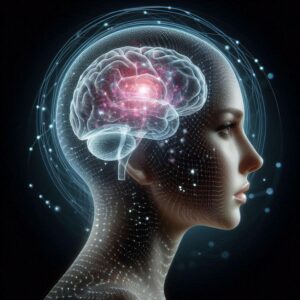
The health of your gut impacts your natural production of neurotransmitters like serotonin – that feel good, calming neurochemical that tends to be low in folks struggling with depression, anxiety, sleep issues, or chronic pain. Did you know that it is primarily made not by the brain, but by the gut? In fact, 90% of serotonin is made in the (healthy) gut. Gut bacteria also influence the production of GABA, dopamine, norepinephrine, acetylcholine, and histamine.
Additionally, a healthy gut reduces neuroinflammation, a process associated with several neurodegenerative conditions such as Alzheimer’s and Parkinson’s, but also with lower-grade functional complaints like brain fog and chronic fatigue.
The gut-hormone connection:

A balanced gut microbiome helps metabolize and eliminate used hormones – particularly estrogen – via phase two liver detoxification. This is a key regulator of hormonal balance throughout the body. Imbalanced gut flora can negatively affect this detoxification process, causing toxins – and hormones – to be reabsorbed into the system instead of eliminated. It also influences the action of insulin (more on this below), thyroid hormone production, levels of testosterone, and cortisol balance.
The gut-metabolism connection:

Your microbiome affects things like cholesterol production and the breakdown of fats, as well as affecting your blood sugar regulation, insulin sensitivity, and satiety via the endogenous production of the peptide GLP-1 (Yes, your body does make this!…Though its production is heavily dependent on the health and balance of the gut microbiota). Dysbiosis contributes to insulin resistance, weight gain, and metabolic syndrome.
The gut-immune connection:

Did you know that 70-80% of our immune function is housed within the gut? The gut is rich with lymphatic tissue – specifically “gut-associated lymphoid tissue” (GALT for short) – which plays a significant role in regulating the gut barrier and modulating immune response.
After the skin, the gut is next in line as a primary defense between your body and the outside world. At the gut barrier, cells are constantly discerning whether an ingested substance is friend or foe, and whether or not to open the gate. Intestinal permeability, or “leaky gut,” occurs when particles are allowed into the bloodstream through a compromised gut barrier, and in turn trigger systemic inflammation and immune responses. Allergies – both food and environmental – as well as autoimmune conditions and chronic infections, are all associated with intestinal permeability.
So what’s gut got to do with it? Very nearly everything.
Naturopathic Medicine supports your gut:
A major pillar of the naturopathic medicine approach is restoring and optimizing gut health. It’s often “ground zero” – the epicenter of health – because it in turn affects so many other body systems. Ensuring elimination, restoring microbiome diversity, healing the gut barrier, optimizing detoxification pathways, and reducing inflammation are all part of the process. This can be done with clinical nutrition, personalized and specific probiotic strains (when indicated), targeted supplementation, and home and in-office therapies to enhance digestion, absorption, and elimination.
If you’ve been diagnosed with IBS, SIBO, or “functional” digestive issues, you very likely would benefit from a naturopathic, root-cause-focused approach. Likewise, if you have multiple persistent symptoms that seem unrelated, and have not resolved with standard care, consider looking further to the gut. Hormone complaints? Recurring skin rashes? Allergies? Chronic fatigue? Your gut health affects all the above – even if you don’t note specific GI symptoms. When we heal the gut, we often heal so much more.
Dr. Ries is a medically-trained naturopathic doctor with a health consulting practice in Richmond, VA, helping women optimize their health – which quite often involves addressing the gut. Want more info on a naturopathic gut-focused approach? Book a free 15-minute discovery call here to answer your questions.